Mastering the Art of Buying Quality Used Cars in India
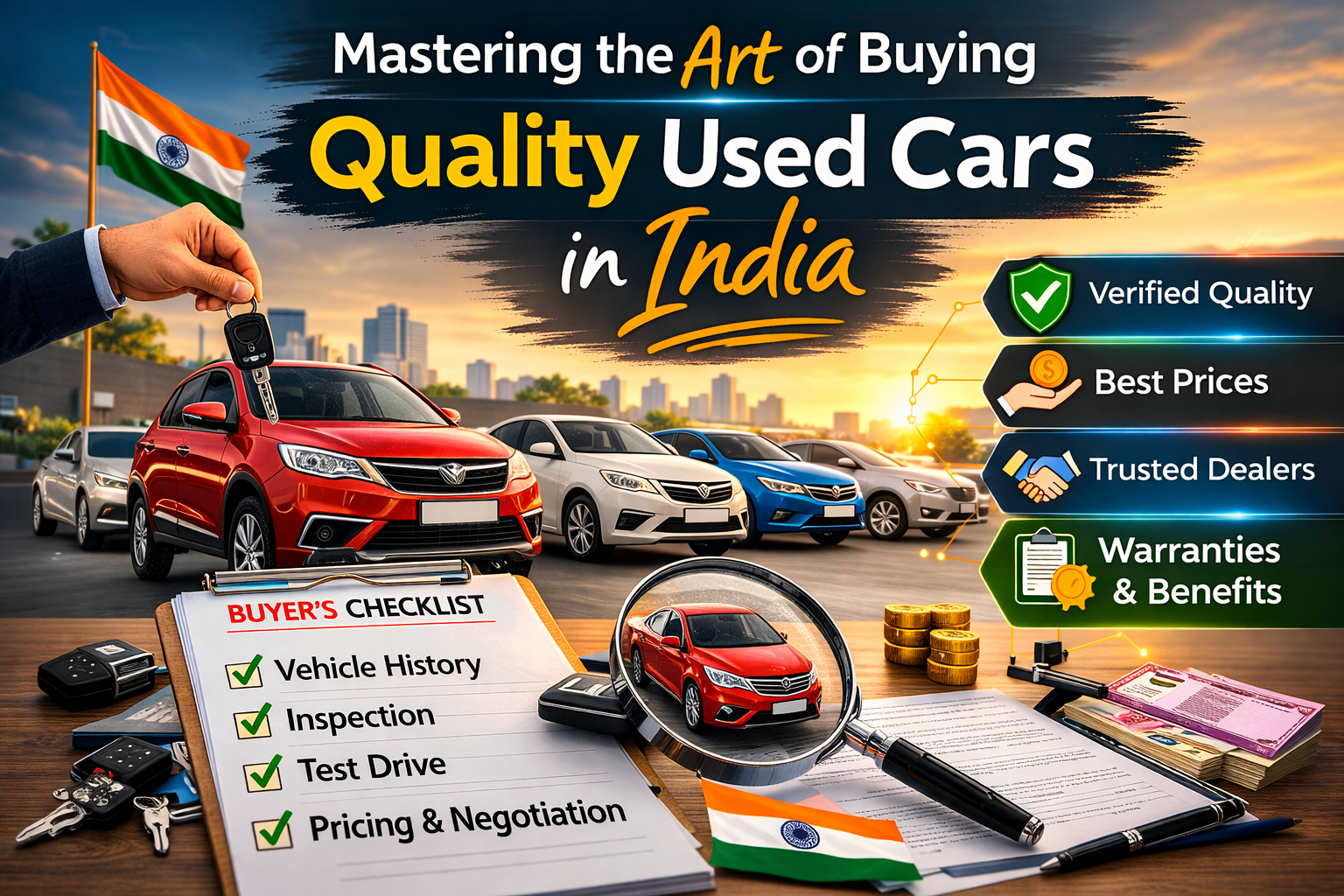
Mastering the Art of Buying Quality Used Cars in India
Purchasing a used car in India can be daunting due to the vast options available and the crucial need for quality. However, with the right knowledge and approach, you can spot a great deal and drive home a reliable vehicle. Here are some essential tips to help you navigate the used car market in India.
1. Set Your Budget
Before diving into the market, define a clear budget. Consider not only the car's price but also additional costs, such as:
- Insurance
- Registration fees
- Road tax
- Immediate repairs or upgrades
Keep in mind that a good quality used car can often range from Rs. 3 lakh to Rs. 10 lakh, depending on the model and age.
2. Research Models and Brands
Familiarize yourself with popular brands and models that retain their value and have a good service network. Brands like Maruti Suzuki, Tata Motors, and Hyundai are known for reliability and availability of spare parts. Research common issues associated with specific models to ensure you're making an informed choice.
3. Check the Vehicle History
Always obtain the vehicle's history report. Look for:
- Previous ownerships
- Maintenance records
- Accident history
- Service history (preferably authorized dealerships)
Ensure that the car hasn’t been in serious accidents, as this can affect safety and performance.
4. Inspect the Car Thoroughly
When inspecting a used car, pay close attention to the following:
- Exterior: Look for dents, scratches, and paint inconsistencies.
- Interior: Check for signs of wear and tear, odour, and working electronics.
- Engine: Inspect for leaks, corrosion, and any unusual noises.
A trusted mechanic's evaluation can help identify potential issues that aren't immediately obvious.
5. Take a Test Drive
A test drive is crucial in assessing the car's performance. Pay attention to:
- Engine response
- Braking efficiency
- Steering feel
- Suspension comfort
Drive on different road conditions to ensure the car performs well on Indian roads.
6. Negotiate Smartly
Once you've settled on a car, be prepared to negotiate. Research similar vehicles in your area to have a fair understanding of market prices. Highlight any issues you identified during the inspection and use them to justify your offer.
7. Verify Documentation
Before finalizing the deal, ensure that all necessary documents are in order:
- Original Registration Certificate (RC)
- Insurance papers
- PUC certificate (Pollution Under Control)
- Finance statements (if applicable)
Cross-check details to avoid any legal complications in the future.
Conclusion
Buying a quality used car in India requires patience and diligence. By following these tips, you can ensure that you make a well-informed decision, saving money while acquiring a reliable vehicle that meets your needs.
Find Out What Your Car Is Actually Worth
We have been buying and selling cars in Ranchi since 1992. Get a firm valuation from our purchase desk — no obligation to sell.
Related Articles

Free Used Car Inspection in Ranchi: The 200+ Checks We Run Before We Will Put Our Name on a Car
We inspect every used car across 200+ checkpoints before it goes on our floor, and we will run the same inspection free on a car you are buying from someone else. Here is what we check, the five things that make us reject a car outright, and how to use the report.
What Actually Happens During a Poddar Motors PDI (And Why 20 Minutes at the Dealership Is Not Enough)
A pre-delivery inspection is your last chance to reject a car before it becomes your problem. Here is exactly what our technicians check across 150, 250 and 350+ checkpoint inspections — the paint gauge, the OBD scan, the engine sound analysis — and what we have caught doing it.

Used Car Insurance Transfer in Jharkhand: The 14-Day Rule and Every Step Explained
Most used car buyers focus on the RC transfer and forget about insurance. That mistake can cost lakhs in a denied claim. Here's exactly how to transfer your used car insurance, what NCB you actually get, and the add-ons worth paying for.